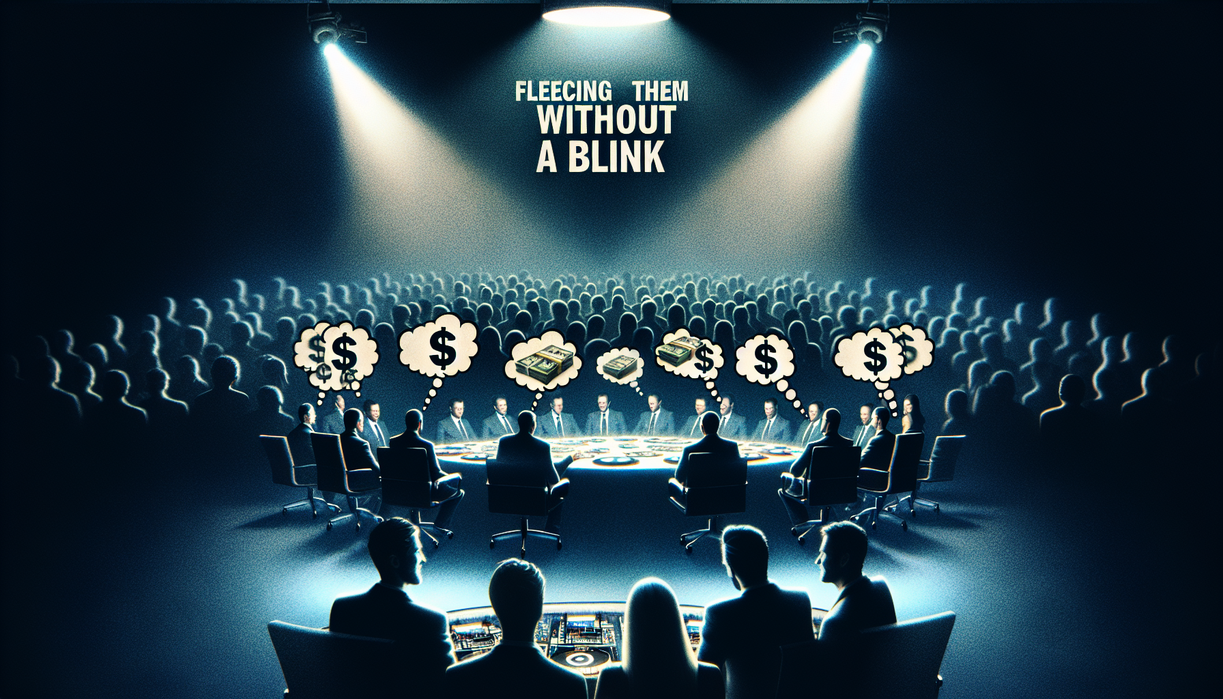
www.socioadvocacy.com – In a future society enthralled by entertainment, the way we buy tickets reveals more than just our taste in music. Leaked messages from Live Nation directors, reportedly mocking fans as “stupid” while boasting about “robbing them blind,” cut straight to the core of how power, profit, and culture intersect. These private comments expose a brutal honesty behind the glossy marketing of live events.
This scandal is not just about one company or a few arrogant executives. It lays bare what a future society looks like when concerts turn into luxury products rather than shared cultural experiences. The controversy invites us to ask a hard question: who is really shaping this world of entertainment—the corporations that set the price, or the fans who keep paying?
How a Future Society Turned Fans Into Data Points
The leaked messages have sparked outrage because they strip away the polite façade of customer “appreciation” and “fan-first” branding. When decision-makers mock their own audience, they reveal a belief that loyalty equals weakness. In a profit-obsessed future society, fans are no longer seen as communities of people, but as predictable data streams waiting to be monetized again and again.
Pricing structures already hinted at this mentality. Dynamic pricing, endless fees, premium tiers, and opaque costs created a labyrinth for anyone chasing a ticket. The leaked conversations simply put crude language to what many suspected: the system has been engineered to test how far fans can be pushed before they snap. That experimentation uses real people, real savings, and real disappointment as fuel.
Live events used to feel like a reward for devotion. Now they can resemble a stress test for wallets. When leaders boast about gouging, it confirms a larger pattern across this future society. Culture becomes an extractive industry where emotional attachment is a financial asset to squeeze, not a human connection to nurture.
Entertainment Worship and the Price of Obsession
We also have to confront our own role in this economy. A future society obsessed with entertainment offers constant distraction but at a steep cost. Fans line up for presales, join exclusive clubs, and accept bloated prices because missing a major show feels like social exile. In that climate, corporations do not just sell tickets; they sell belonging, status, and identity. That product is almost priceless, which means its price can be pushed to the limit.
Each time audiences accept the next level of sticker shock, they send a message back to the system: this is still okay. Executives watch the data, see little resistance, then push even harder. Some fans resort to payment plans, secondary markets, or travel sacrifices to attend a single concert. The more desperate the demand, the easier it becomes for leadership to justify aggressive pricing strategies and then mock the very people funding their bonuses.
Yet blaming only corporate greed oversimplifies the problem. Our future society elevates live shows to life milestones, turning tickets into proof of participation in cultural history. When attendance becomes a measure of social value, companies barely need to persuade us to pay more. We do it ourselves, driven by fear of missing out and the curated highlight reels floating across social media.
Regulation, Resistance, and Rethinking Value
To move toward a healthier future society, several layers must change at once. Regulators need sharper tools to confront anti-competitive behavior, deceptive fees, and monopolistic control over venues. Fans can organize boycotts, support independent promoters, or favor smaller shows where relationships still matter more than algorithms. Artists hold crucial leverage too: they can demand fairer ticket structures, transparent policies, and limits on exploitative pricing. Above all, we must reconsider what truly counts as cultural richness. If we keep accepting humiliation as part of fandom, we help build the very system that laughs at us behind closed doors. The leaked messages sting precisely because they show how far we have drifted from art as a shared human experience. A reflective path forward asks us to value community, access, and integrity over spectacle at any cost, so entertainment can serve the people, not prey on them.