www.socioadvocacy.com – Health & science research continues to rewrite what feels possible in oncology, and the latest breakthrough centers on personalized mRNA cancer vaccines. A landmark Phase 1 trial has explored whether custom-built vaccines can train each patient’s immune system to recognize and attack pancreatic tumors. Early results suggest not only measurable immune activity, but also encouraging signs of longer survival and reduced recurrence for a disease often viewed as one of medicine’s toughest opponents.
This development signals more than a single study success story. It reflects a broader shift in health & science toward highly individualized medicine, where therapies are sculpted around the unique biology of every tumor. By leveraging the same mRNA platform that accelerated COVID-19 vaccines, researchers now test whether rapid genetic tailoring can finally give patients with pancreatic cancer a genuine immunological advantage.
How Personalized mRNA Cancer Vaccines Work
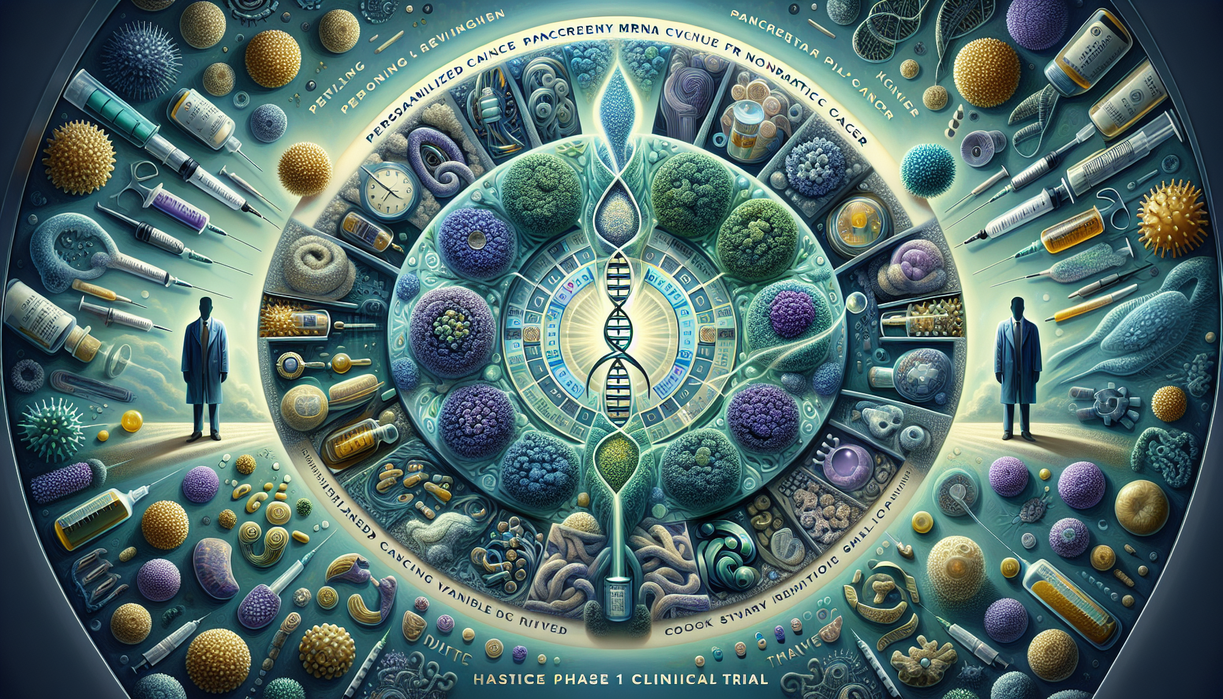
Personalized mRNA vaccines begin with a detailed portrait of the tumor. After surgery or biopsy, scientists sequence the cancer’s DNA to identify mutations that create unique protein fragments, known as neoantigens. These markers act like molecular fingerprints, present on cancer cells but absent from healthy tissue. Health & science teams then design mRNA instructions encoding several of these neoantigens, hoping the immune system will learn to treat tumor cells as clear targets rather than invisible intruders.
Once packaged into tiny lipid nanoparticles, the mRNA vaccine enters the body through an injection. Human cells read the mRNA blueprint and temporarily manufacture neoantigen fragments. This process does not alter the patient’s own DNA; instead, it offers a short-lived training course for immune cells. Antigen-presenting cells display the fragments on their surface, inviting T cells to inspect, memorize, and eventually seek similar patterns on real tumor cells throughout the body.
The Phase 1 trial in pancreatic cancer evaluated safety first, yet investigators also tracked immune responses. Many participants developed strong, neoantigen-specific T cell activity that persisted months after vaccination. These durable responses matter because pancreatic cancer frequently returns even after aggressive treatment. If personalized mRNA vaccines maintain a ready pool of vigilant T cells, they may help prevent microscopic residual disease from blossoming into full relapse, a central goal of ongoing health & science efforts.
Why Pancreatic Cancer Needs New Strategies
Pancreatic cancer has a reputation for silence. Symptoms usually appear late, when tumors already spread beyond the pancreas. Traditional chemotherapy and radiation provide limited benefits for many patients, and five-year survival rates remain dismally low compared with other major cancers. This reality has pushed health & science researchers to pursue unconventional approaches, including immunotherapy, targeted drugs, and now personalized mRNA vaccines tailored to each tumor’s mutation profile.
Standard immune checkpoint inhibitors, highly successful in melanoma and lung cancer, have offered modest gains in pancreatic disease. The tumor microenvironment often resembles a fortress: dense fibrotic tissue, immune-suppressive cells, and scarce blood flow. T cells struggle to infiltrate, let alone mount sustained attacks. Personalized mRNA strategies attempt to compensate by generating exceptionally focused T cell armies, trained against multiple neoantigens unique to each patient’s cancer genome.
Results from the Phase 1 trial hint that this focused mobilization may translate into real-world benefits. Patients whose immune systems responded robustly to the vaccine appeared more likely to remain disease-free over time. While the trial included a limited number of participants and lacked the power to offer definitive survival statistics, such trends justify larger studies. In my view, progress in pancreatic cancer will come from combined strategies, and mRNA vaccines could provide the immunological spark earlier methods failed to ignite.
Health & Science Perspectives on the Future
From a broader health & science perspective, personalized mRNA cancer vaccines represent a conceptual shift from one-size-fits-all oncology to bespoke immune engineering. Yet challenges remain: manufacturing must become faster, more affordable, and scalable; clinicians need reliable biomarkers to predict who benefits most; and researchers will likely combine vaccines with chemotherapy, checkpoint inhibitors, or targeted agents to maximize impact. My personal view is cautiously optimistic. This technology will not transform pancreatic cancer overnight, but it offers a rational path to incremental, possibly profound improvement. The true measure of success will emerge as larger, controlled trials test whether early immune vigor translates into significantly longer, better-quality lives for patients who for decades have had far too few options.