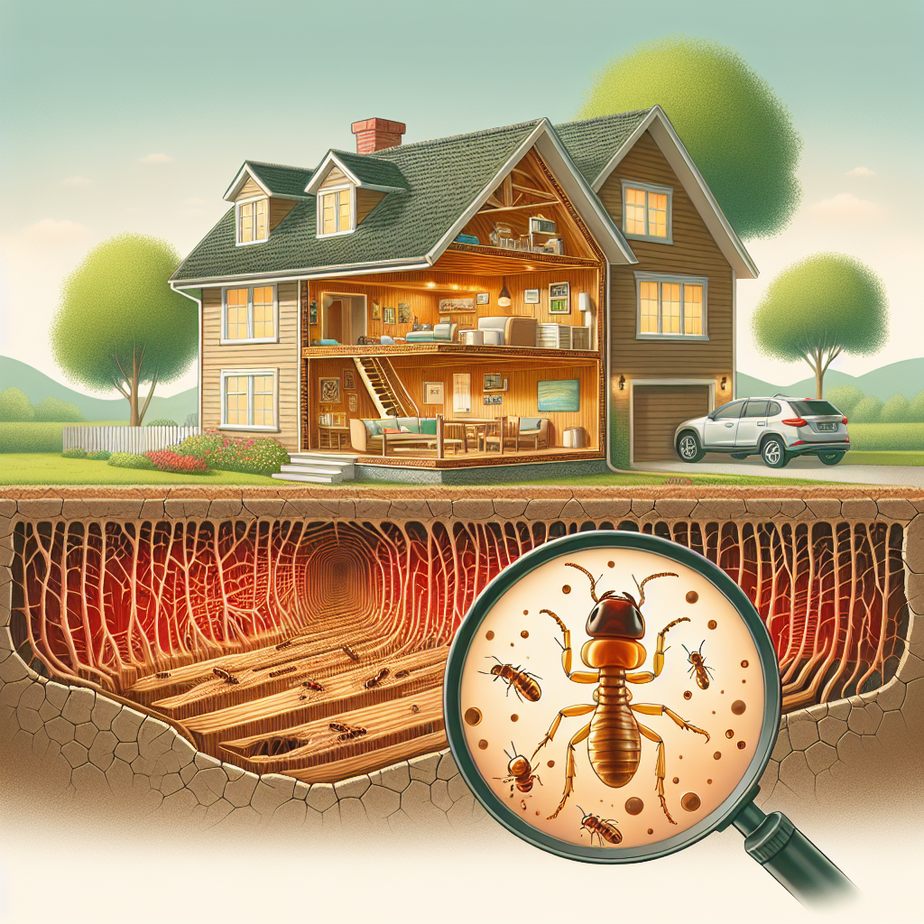
www.socioadvocacy.com – The silent presence of termites is a homeowner’s nightmare. These tiny yet destructive creatures can quietly gnaw away at the very foundations of a house. When their work is done, they often leave behind inconspicuous evidence—tiny pellets that can last long after the colony has moved on. Thankfully, recent research has brought a novel approach to detecting the timeline of termite activity by examining the hidden microbial life within these droppings.
Termite droppings, or frass, might seem unremarkable at first glance, yet they hold a treasure trove of microbial information. Scientists have discovered a way to analyze these microbes to determine whether a termite infestation is current or merely part of the home’s history. This is a leap forward in pest control, providing homeowners and professionals with a timeline, much like a forensic investigation, to understand when a home was last under siege by these voracious insects.
So why are these microbial characters so important in understanding termite behavior? Much like how a crime scene investigator uses fingerprints, the microbes can tell us a lot about the conditions under which they were deposited. As termite droppings age, the microbial community within them begins to change, allowing researchers to distinguish between recent activity and older residue. This innovative method could pave the way for more accurate pest management strategies.
With this groundbreaking research, homeowners now have a possible tool to ascertain whether they should be alarmed about potential termite damage or relieved that a past issue has been resolved. It shifts the power towards prevention, allowing for more timely interventions and ultimately reducing the extensive damage these pests can cause. As we continue to understand the nuances of termite behavior, communities can become more resilient against these unwanted guests.
While this study marks progress, it also opens up further questions about how we can better utilize microbial ecosystems to manage pest behavior. It’s a fascinating intersection of biology and technology that promises to transform property management. We are only beginning to scratch the surface of how such discoveries will shape future pest control methods, making homes not just places of shelter, but also fortresses against such silent threats.
The Science Behind the Solution
Researchers have had to delve deeply into microbiology to make this leap in distinguishing termite activity timelines. By identifying specific microbial signatures that change over time, a detailed picture of the past and present activity of termites can be painted. This method, while still in its nascent stages, is showing promise in providing precise identification of these pesky intruders’ residencies.
Understanding the microbial changes also requires a robust framework of data analysis. The statistical models used can decipher patterns that the naked eye would never catch, making this a classic case of science uncovering what was once invisible. Such technological advancements in pest detection are promising as they offer a non-invasive method to diagnose termite presence, potentially saving significant amounts of time and repair costs for homeowners everywhere.
Embracing Innovation in Termite Management
The integration of microbial analysis into termite management represents an exciting shift towards smarter pest control strategies. No longer will homeowners have to rely solely on visual inspections or outdated methods to guess the extent of their termite troubles. Instead, they can trust in the scientific clarity that microscopic analytics bring to the table.
As we forge ahead with these promising developments, the adoption of such techniques depends largely on awareness and accessibility. Education will become a crucial part of this preventive strategy; homeowners, pest control specialists, and researchers must work hand in hand to bring these discoveries to practical use. By doing so, we not only protect individual homes but also contribute to broader sustainability efforts by minimizing unnecessary chemical use.
In conclusion, the unveiling of termite timelines through microbial examination is more than just a scientific breakthrough—it is a step towards redefining how we coexist with nature’s tiny architects, transforming them from fearsome foes to manageable nuisances. With continued research and collaboration, we are set to turn our homes into places of peace and security, free from the whispers of invisible invaders.